The Shortness of Breath OSCE Station Guide
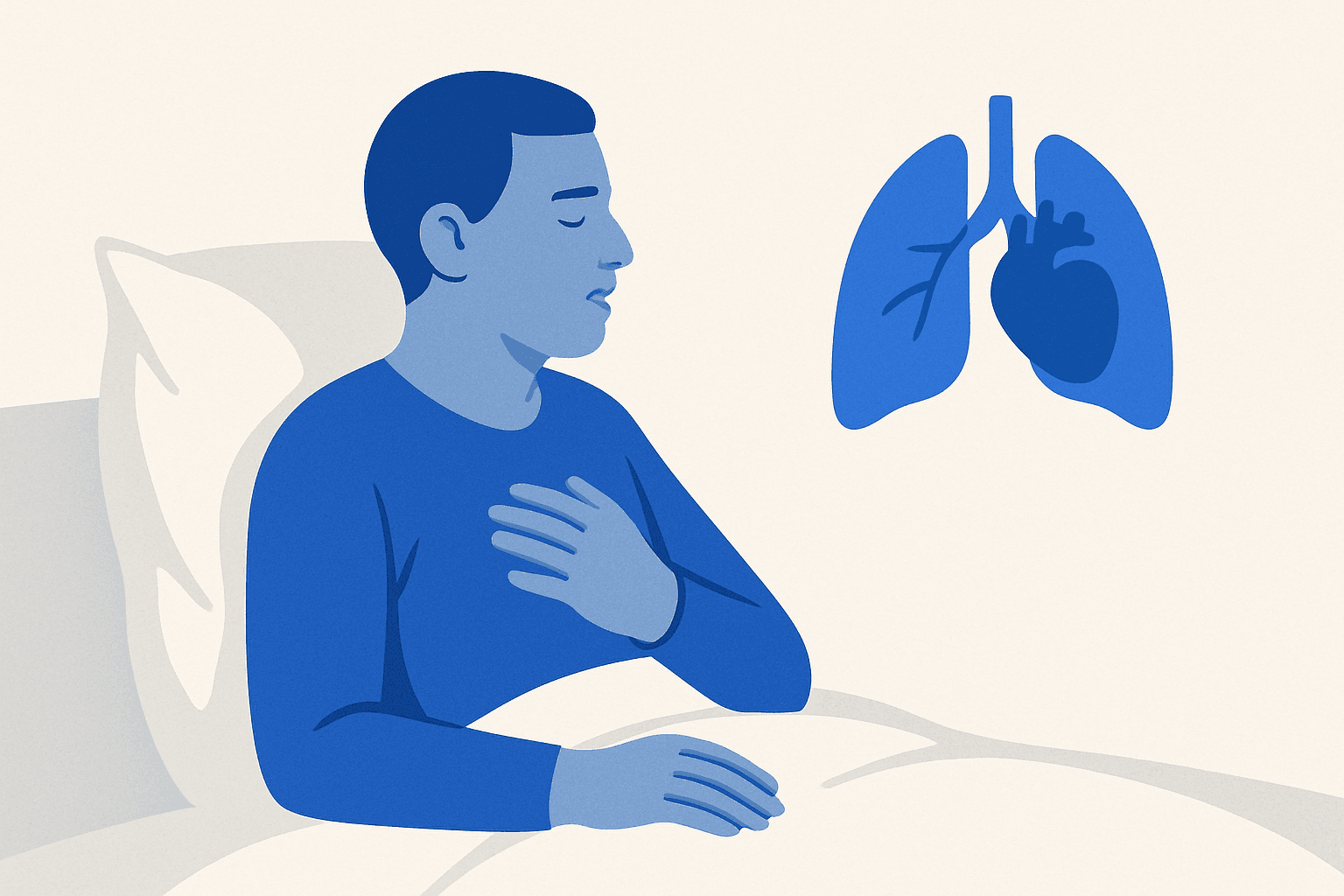
At a shortness of breath OSCE station you’re being tested on a focused history that separates cardiac from respiratory causes from a clot such as pulmonary embolism. You must screen time-critical red flags, characterise severity and triggers, and address the patient’s ideas, concerns, and expectations within a tight time limit.
Now, we’ll walk through a worked example with an AI patient who presents with breathlessness. Use it as a timed drill, solo or with a mate. If you’re on your own, see practising OSCE stations without a partner to structure the run-through and feedback.
This guide stays at history-taking and observation. No examination manoeuvres, no investigations, no management plans. We’re focused on the moves that score in a timed breathlessness history and the phrases that land with patients who are scared they cannot breathe.
We’ll open, narrow the field quickly, screen safety red flags, and close with ICE and next steps. You’ll see common time-loss traps and a simple way to keep differentials honest. And, honestly, this is the bit people skip. Start the timer.
Taking the breathlessness history: cardiac, respiratory, or clot
Start by splitting the problem: timing and exertion limit, cardiac flags, respiratory infection features, and thromboembolic triggers. Keep it concrete. Numbers help you and calm the patient.
With AI patient Raymond Pickering, 70, the tempo is one week of worsening breathlessness. He is now puffed walking to the toilet. That functional drop sets your baseline and narrows the field.
Orthopnoea next. Can he lie flat, and how many pillows. He props on three and cannot lie flat. Then paroxysmal nocturnal dyspnoea, do they wake gasping. He does, waking at night choking for air. Honestly, this is the bit people skip, so ask it clearly. These are classic features described by the British Heart Foundation on heart failure.
Oedema and weight. His legs are swollen to the knees, pitting, and he has gained about a stone in a fortnight without eating more. Add palpitations, he feels his heart thumping and skipping. No chest pain. Put together, this picture points to NHS guidance on heart failure.
Screen infection. Cough, sputum, fever, pleuritic chest pain. Raymond has no fever and no productive cough, which argues against an acute infective exacerbation as the primary driver.
Keep clot in mind. Ask about sudden onset, pleuritic pain, haemoptysis, one-sided calf pain or swelling, recent immobility or surgery, cancer history. Bilateral pitting to the knees is more in keeping with systemic fluid overload than an isolated DVT, though coexistence happens.
Cardiac risk and adherence. He has hypertension on lisinopril, and he admits he has been slack taking it. He is an ex-smoker with a 40 pack-year history, quit at 60. Ask alcohol, previous heart problems, and any known valve disease if you have time.
Finish with ICE and function. He thinks it is old age, and he is worried about coping alone at home. Capture that.
Red flags and the differential
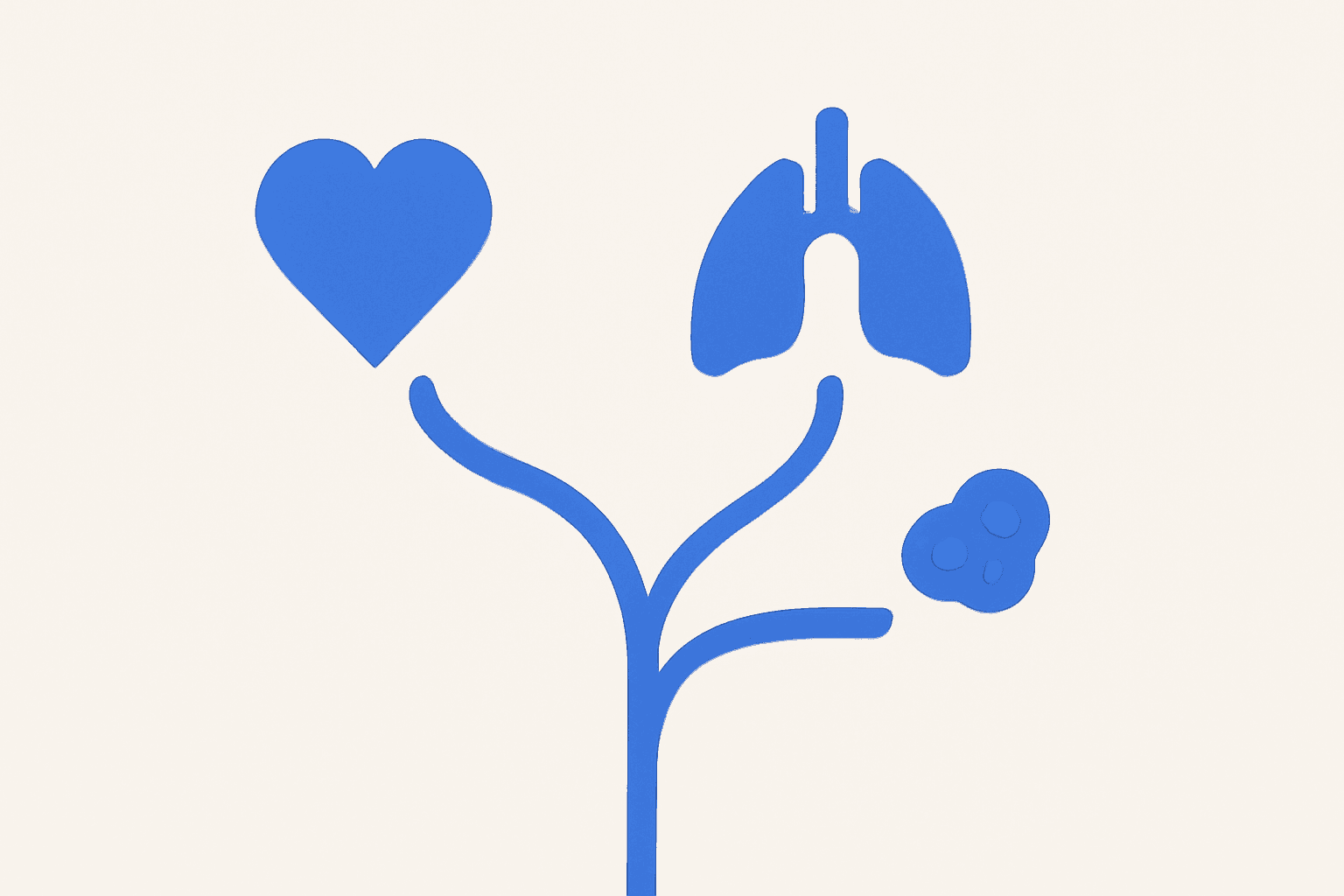
History red flags: orthopnoea, paroxysmal nocturnal dyspnoea, bilateral pitting oedema, rapid weight gain, and breathlessness at rest. New palpitations matter, because new atrial fibrillation can precipitate fluid overload and sudden deterioration.
Top of the list is decompensated heart failure, see NICE chronic heart failure guidance. The cluster of orthopnoea, paroxysmal nocturnal dyspnoea, ankle swelling, and weight gain points to fluid retention. Palpitations that are irregular and recent make atrial fibrillation a likely trigger.
Pneumonia sits high because breathlessness with cough, sputum, and systemic infective symptoms fits an acute inflammatory picture, not fluid redistribution. A clear infective exposure or preceding viral illness supports this.
Pulmonary embolism is about sudden onset breathlessness, pleuritic chest pain, or haemoptysis, especially with recent immobility, surgery, or oestrogen use. The absence of weight gain or progressive ankle oedema steers away from volume overload.
A chronic obstructive pulmonary disease flare needs a prior COPD label, smoking history, and a baseline of exertional breathlessness. Worsening cough and change in sputum character fit this. Orthopnoea and paroxysmal nocturnal dyspnoea don’t.
Nephrotic syndrome is systemic fluid retention without primary cardiorespiratory symptoms. Generalised swelling including face, foamy urine, and a past history of kidney disease or proteinuric states push you in that direction.
Chronic venous insufficiency tends to be lower-limb only. Swelling that worsens through the day, improves with leg elevation, and comes with skin changes at the gaiter area fits dependent venous oedema. Breathlessness at rest, orthopnoea, or rapid weight gain argue strongly against this.
One catch. People often overcall oedema without asking about the time course. Pin down onset and daily pattern every time.
Practise the breathlessness history Sort cardiac from respiratory from clot with an AI patient, then get marked. Start a case free
What examiners mark
Examiners are boringly consistent. They mark four things. First, coverage of the discriminating history: orthopnoea, paroxysmal nocturnal dyspnoea, oedema, palpitations, adherence. Second, a justified differential, with heart failure at the top and possible new atrial fibrillation recognised. Third, clear communication. Fourth, addressing the patient’s ideas, concerns and expectations.
In our worked example, the AI patient says it is age. He is really worried about not coping alone at home. A good candidate brings that out with one plain question, names it back in the summary, and checks if that is the main concern. That is where marks sit.
On the differential, do not hide the ball. Say why heart failure is highest, and say you are alert to undiagnosed AF. Then give one or two alternatives you will exclude. Enough reasoning to show judgement, not waffle.
Practise that flow inside Diagnosica. You will get a scorecard for the attempt with teaching points. The value is seeing which discriminators you missed, whether you ranked heart failure first, whether you clocked possible new AF, and whether you explored ideas and concerns. No promises about a pass.
The pattern repeats across systems, and you will see the same marking spine in the chest pain station. Cover the discriminators, state a ranked differential, communicate like a human, and surface what the patient is actually worried about.

Practising the breathlessness station alone
You can get a long way practising breathlessness alone, if you make it deliberate. The station rewards a clear split in your head and fast, discriminating questions delivered cleanly.
Start each run by saying out loud: cardiac, respiratory, or clot. Commit to a working branch, then earn it with targeted questions and a one-line summary.
Drill the discriminators, and, honestly, this is the bit people skip. Write a short set for each branch and rehearse them until they come out under time, without filler. Time yourself and say your reasoning out loud.
Use a partner when you can. Alternate roles, stick to one vignette for three runs, and keep the answers consistent so you can hear if your reasoning moves.
If you are alone, an AI patient that answers back and marks you is useful. The same structure carries to other systems, as in the jaundice history station.
Solo will only get you so far. You will miss pacing, tone, silences, and how you handle interruptions, which a human observer will spot in seconds.
Postgraduate candidates can run the same routine between taught days: see preparing for MRCP PACES at home.
Frequently asked questions
What is a shortness of breath OSCE station?
A shortness of breath OSCE station is a timed history-taking encounter with a simulated patient. You gather a focused breathlessness history. Separate likely cardiac, respiratory, and thromboembolic causes. Screen red flags. Examiners score content coverage and structure, your provisional differential, and communication, including signposting, empathy, and safe-closure.
You’re working against the clock, so keep it focused. Elicit the breathlessness story, screen for red flags, and ask enough to separate cardiac, respiratory, and clot paths. Then summarise briefly and state your working differential with safe-closure. This station tests history-taking and communication, not examination or management.
If you want structured practice, Diagnosica has a free tier with no card needed and an anonymous 3-minute demo with a voice or text AI patient. It’s early-stage and educational, not a diagnostic system.
How do you tell cardiac from respiratory breathlessness in a history?
Orthopnoea, waking gasping at night, ankle swelling, and palpitations point to a cardiac cause. Fever, cough, and sputum point to a respiratory cause. Sudden pleuritic chest pain with risk factors points to a clot. These are history and observation cues in an OSCE, not definitive diagnoses.
Use those features to anchor your questions, then explain your reasoning cleanly. Be explicit about which pattern you’re hearing and why, and name the alternative you’re keeping in play. That clarity scores marks and keeps you safe. And yes, you still screen for red flags every time.
Get the reps in before the exam Run a breathlessness case tonight and get a scorecard with teaching points. Start free