How to Make Studying Medicine Fun (Without Faking It)


Can studying medicine actually be fun?
Yes, but not by waiting for motivation. Studying medicine feels fun when the task has game structure. Boredom with revision is usually a design problem in the work, not a flaw in you. Build short loops, real puzzles, instant feedback, visible progress, and a target to beat.
This is a design method, not a mood. You'll get the five ingredients and how to bolt them onto flashcards, question banks, cases and study groups, so a dead hour becomes a session you can finish.
You'll get an honest look at the evidence, which is mixed and modest, and when to ignore the gamification and grind.
Why most medical study feels like a chore
You know the feeling: the highlighter that has coloured the whole page yellow, the margin stuffed with arrows, and still nothing sticks. You read one paragraph four times, then reward yourself by checking the rota for clinics you are not even on.
Passive rereading offers nothing game-like. No answer to get right, no feedback ping, no crisp end point. Time passes, the page count crawls, and your brain can’t see progress, only guilt accruing like dust on a shelf.
There is data behind the dread. A narrative review in JNMA 2020 by Niroula and Niroula, summarising Dunlosky’s work, reports that summarising, highlighting and rereading are rated low utility, while practice testing and distributed practice come out top.
And yet most students still rely on rereading notes even though self-testing works better. That mismatch is why you feel bored and behind at once. If you are googling how to make studying medicine fun, you are really hunting for a different loop, not a different colour of pen.
The five ingredients that make anything feel like a game
- A short loop. Play needs a finish line you can see from the start, so you get the hit of done before your tea goes cold and forms a skin. Do a 3-question mini set on today’s topic, then stop and switch topics or breathe.
- A puzzle with an answer. Games ask a crisp question with a right or wrong, not “finish the cardiology lecture notes.” Take one vignette and pick the single most likely diagnosis or next test, then reveal it.
- Instant feedback. It feels like play when the consequence lands now, not at the exam in June. Mark the MCQ immediately or flip the card right away, and if you guessed wrong, write the tiny note you wish past-you had seen.
- Visible progress. Numbers make our brains purr, even silly ones, because you can watch them move. Keep a streak, a daily count, or a ticked list of today’s ten micro-tasks, then close the tab when the last box is green.
- Someone to beat. Competition wakes you up faster than coffee, even if it’s only with yourself. Set a head-to-head with a friend on ten cases, or race yesterday’s you on time to first correct answer, then actually record it.
You don’t need all five at once, two is often enough to change how a session feels. Apps like Duolingo are built on exactly these ingredients, see what Duolingo gets right.

Turn flashcards and question banks into a game
You’re staring at a deck with 1,400 due. Fun isn’t going to drift in through the window, you’ve got to rig the table in your favour.
One school built a quiz game called Kaizen with badges for streaks and for showing up daily, to nudge a little at a time instead of binge-learning. The article reports student perceptions, not measured outcomes.
- Never break the chain. Draw a 30-day grid, mark each day you hit your minimum loop, say 10 cards or 10 minutes. Miss a day, reset the count. Streaks are a quiet motivator when everything else feels soggy.
- Ten against the clock. Set a timer and do exactly ten MCQs, then stop. Write your raw score and time in a notebook. Next round, try to beat either, not both. Small loop, clear target, something to race.
- Bet your confidence first. Before you flip or peek, say out loud: “sure”, “think so”, or “guessing”. Score your calibration, not just correctness. Being wrong and “sure” stings, in a way your brain remembers.
- Boss level, mixed set. Pull ten from different topics so you can’t coast on pattern spotting. It feels harder, and it is, but it mirrors real cases where the labels aren’t printed on the front.
Make cases the puzzle
Cases already feel like a game, because there’s a mystery and there’s an answer. Shorten the loop and give yourself a clue ladder.
Try this five-clue case. Guess after each clue, then read the note. No peeking ahead.
- "A 29-year-old man has 2 days of sharp central chest pain. He had a mild viral cold last week." This opens acute coronary syndrome, costochondritis and pleurisy.
- The pain eases when he leans forward and worsens lying flat. Temperature 37.6°C, heart rate 92. Posture dependence moves you away from ischaemic and chest-wall pain.
- A scratchy, three-component friction rub is heard at the left lower sternal border. That rub drags pericarditis right up the list.
- ECG shows diffuse ST elevation with PR depression and no reciprocal changes. Clues 3 and 4 together fit only one answer.
- Echocardiography shows a small pericardial effusion with normal wall motion; troponin mildly raised, inflammatory markers high. Normal wall motion argues against a territorial infarct.
Answer: acute pericarditis. Answers like "chest pain" or "viral illness" are too vague.
It's the same mechanic as the clue-ladder diagnosis games people play daily, and it trains the muscle behind how differentials get narrowed.

Keep the streak alive. Play a two minute quick case with five clues to keep your streak going, free to start, no card. Start a quick case
Study with people without it becoming a chat
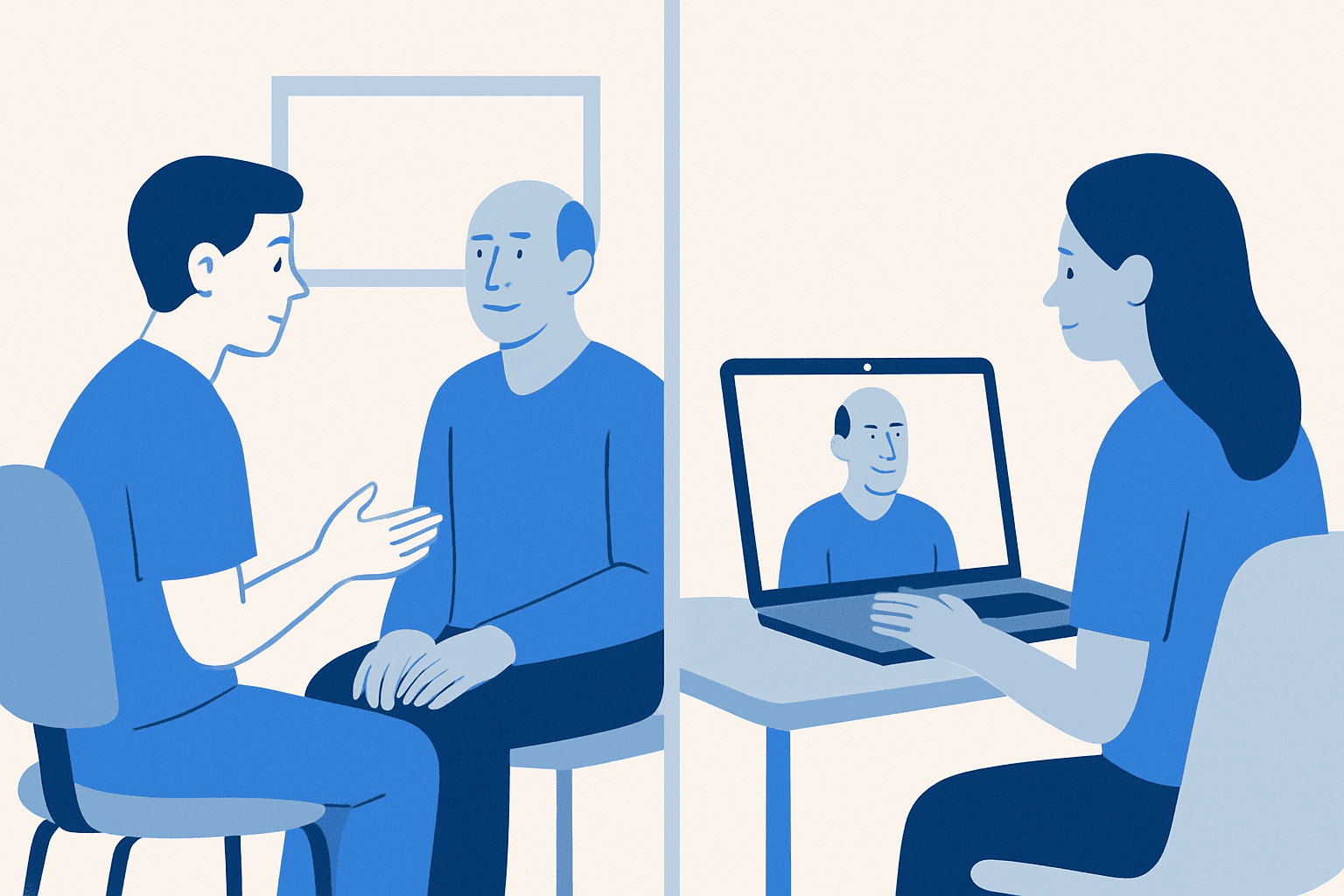
Study groups die when they become a chat about placements, snacks and a registrar who says 'hmm' like a metronome. Set game rules so the room has stakes, not vibes.
Quiz duels: each person writes five questions on any topic, swap, mark each other fast, loser buys the coffee. The threat of decaf concentrates the mind.
Teach-back: you get two minutes to explain pericarditis. The others must catch exactly one mistake, planted or accidental. If they cannot, you pick who recaps it next week.
The one-line patient game: someone reads a presenting line, everyone writes a first guess, no talking. Reveal clues one by one, guess again each round. Fast, slightly tense, and it moves people off autopilot.
Put a weekly leaderboard on a whiteboard or in the group chat. 'Someone to beat' is about stakes, not cruelty. Tiny stakes work, like last place brings biscuits or has to wear the anatomy hoodie.
The AMA reported Thomas Jefferson emergency medicine residents did an escape room to build teamwork. Participants said they were engaged, but there were no measured learning outcomes reported, so file it under fun for morale rather than proof.
Does gamified studying actually work?
Short answer: gamified studying can lift motivation and keep you working, and it sometimes improves learning, especially when it nudges you to test yourself and space your revision. The catch is the evidence is mixed, samples are small, and many studies lack decent control groups.
In a 2021 systematic review, van Gaalen and colleagues screened 5,044 articles and included 44 empirical studies on game elements in health professions education. They concluded gamification can improve learning outcomes, especially when it encourages better learning behaviours and attitudes, but most studies lacked well defined control groups, rarely used theory, and no negative outcomes were reported. The most common elements were assessment, often paired with challenge or competition.
In a 2023 review in Frontiers, Xu and colleagues went broader across game based learning in medicine and were more cautious. Their mini review reports it cannot yield significant outcomes in short term gains and long term knowledge retention sometimes, most studies had small samples, there is no standardised evaluation system, and many focused on engagement and satisfaction rather than hard learning outcomes.
The practical bit is this. The game is the wrapper, not the medicine, and it works when the thing inside is testing yourself and spacing. If you want the why, skim the memory science.
A 10-minute daily routine that feels like play
You do not need to feel inspired. Run a loop you can finish before your tea cools. Here is a weekday loop that earns its fun.
- Two-minute clue ladder. You get one line, then clues arrive one by one, guess after each. Fast, finite, a tiny puzzle before the kettle boils.
- Ten questions, timed, with confidence bets. Set a five minute timer. Do ten cards or MCQs. For each answer, mark low, medium or high confidence. Score yourself only if confidence matched reality.
- Write one thing you actually got wrong. One sentence in your grubby notebook. Not the whole topic. The exact trap you fell into.
- Tick the streak. Box gets a tick, brain gets a treat. Leave wanting more.
Weekend variant, one longer full case where you take the history yourself. It scratches the itch to practise talking to a patient without booking anyone.
If you want the warm-up done for you, Diagnosica's quick case is a two-minute mini case where the patient says one line, you get five clues one at a time and guess after each, then see the answer and a one-line teaching point. No points, but it keeps a daily streak going. There are other clue-ladder games too.
For the longer weekend slot, Diagnosica’s full case gives you a video AI patient you talk or type to, you order investigations, commit to a diagnosis and plan, and get a scorecard with competency scores and teaching points. There are more than 130 cases. It doesn't give advice about real patients, and it's not a diagnostic system. Treat every output as educational.
Someone to beat matters, so the app also has weekly leagues and leaderboards by specialty and country. iPhone, Android and web. If the streak breaks, see staying consistent week to week.
When fun is the wrong goal
Fun is bait to get you to the desk, not the point. You’re here to learn things you can rely on at 3am, not to be entertained by your own notes.
Exam crunch changes the rules. A week out, the content you need is the content you need, and some of it is dull. Keep the game for warm-ups, then grind the exact list you’ll be tested on.
If nothing feels fun, that’s not a study-method problem, that’s fatigue. When the cards feel heavier than your laptop and you’ve read the same line three times, your next move is rest and talking to someone you trust, not another streak.
Watch for the game steering what you study. If you’re chasing green ticks by picking easy cards, you’re training yourself to revise what you already know. Park the streak, schedule the hard set, and take the hit.
If the knot in your stomach is fear more than boredom, this is a different job, not a gamification one. Start with exam nerves.
Want the long version? Talk or type to an AI patient, order tests, commit to a diagnosis, get a scorecard. Free to start, no card; iPhone, Android and web. Try a full case
Educational use only, not medical advice. AI-generated; verify clinically against primary sources.
Clinical review pending.